Wrongful Death Lawyer in Denver, CO
No amount of money replaces a loved one. Lionheart Injury Law can bring accountability, closure, and financial stability that your family needs to move forward after a wrongful death.
Start Your Free Case ReviewRecent Results

What Can Your Family Recover in a Denver Wrongful Death Case?
In Colorado, noneconomic damages after a wrongful death are capped at $2.125 million, and that is the minimum that we seek.
That said, in the event of a "felonious killing," the amount of damages is uncapped. In those kinds of cases, we seek tens of millions of dollars, and even hundreds of millions of dollars, to compensate your family. We prepare every wrongful death case for trial from day one, and keep your family informed at every stage. We never push a settlement that does not reflect the full value of your loss, and our past results are consistently above the Colorado cap of $2.125 million because insurance companies know that we are willing to take them to trial.
Why Hire a Denver Wrongful Death Lawyer?
While your family deals with a wrongful death, you deserve the best wrongful death lawyer in Denver to pursue every dollar that your case is worth.
From day one, we make sure critical evidence is preserved before it is gone, prove exactly how and why your loved one died, and build the economic case, the lifetime of earnings, benefits, and support that died with them, with the experts who can put real numbers in front of a jury. We handle all the paperwork, and the pressure, so your family does not have to relive the worst day of its life over and over.
What Your Family Gets When You Hire Lionheart Injury Law
- Trial-ready preparation and the resources to match the defense. Wrongful death cases pit grieving families against corporate legal teams and in-house insurer counsel. We have won multimillion-dollar verdicts and settlements in cases other firms turned away.
- Direct attorney access and compassion. You talk to your lawyer, not a rotating intake team, and we can connect your family with grief counselors and financial advisors.
- No bills unless we win. Contingency fee only. No invoice arrives while your family is still planning a funeral.
- Community-rooted representation. Lionheart Injury Law is the only law firm in Denver specifically serving the Ethiopian, East African, and broader African community in the metro area. We understand the customs, the grief, and the practical realities of losing a loved one in an immigrant or first-generation family, and we honor them.
How Much Does It Cost to Hire a Denver Wrongful Death Lawyer?
Nothing up front, ever. We take wrongful death cases on contingency; our fee is a percentage of what we recover, and if we recover nothing, you owe nothing. No hourly bills, and no invoice arriving while your family is still grieving.
We advance the costs of building the case, the accident reconstruction, the forensic economist, the records, and recoup them only out of a win. When the case resolves, our fee and any medical liens come out of the recovery and your family receives the balance, and we walk you through every line. The consultation is free and unhurried. Call (720) 763-5207 when you are ready to talk.
What Is a Wrongful Death Claim in Colorado?
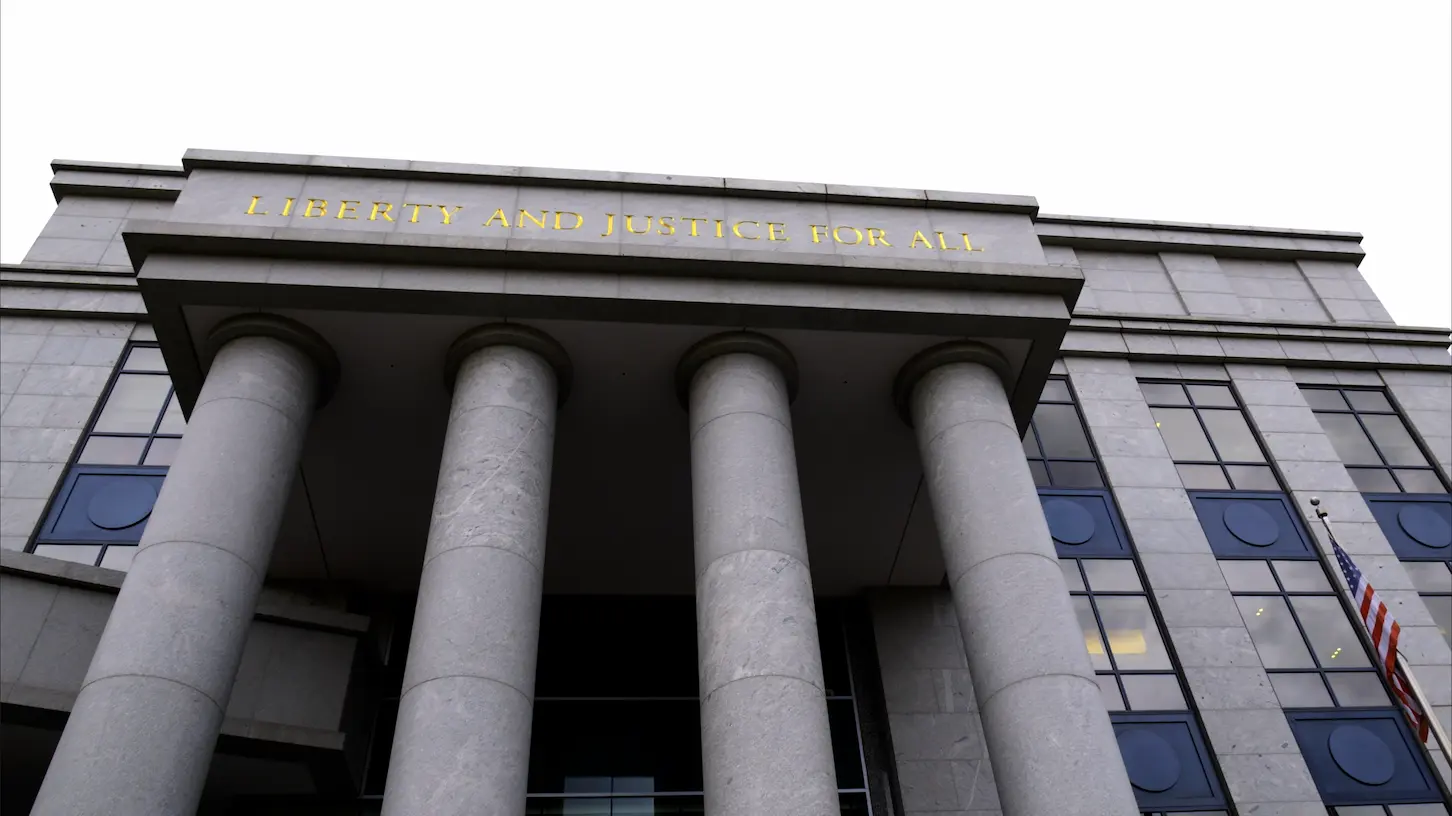
A wrongful death claim exists when someone dies because of another party's wrongful act, negligence, or default, conduct that would have entitled the person to sue had they survived, under C.R.S. § 13-21-202. If a drunk driver, a careless trucking company, a negligent property owner, or a reckless doctor would have owed your loved one damages for an injury, the law lets the family pursue that claim after a death.
It is a civil case, separate from any criminal prosecution. A district attorney can charge a crime; only the family can recover for the financial and personal loss. And the civil standard is lower, a "more likely than not" preponderance of the evidence, not proof beyond a reasonable doubt, so a wrongful death claim can succeed even where a criminal case stalls or never gets filed.
Who Can File a Wrongful Death Claim in Colorado?
Colorado does not let just anyone sue, and it does not let everyone sue at once. The Colorado Wrongful Death Act (C.R.S. § 13-21-201) sets a strict order of who may file, and when. Getting this wrong can forfeit the claim, which is why families call us early.
The Surviving Spouse
In the first year after the death, the surviving spouse generally holds the exclusive right to bring the claim. The spouse can choose to let the deceased's children join, but the first-year right is the spouse's to exercise or waive.
Children and Heirs
In the second year, or in the first year if there is no surviving spouse, the deceased's children and heirs may file. A spouse and children can also pursue the claim together when the spouse elects to include them.
Parents
If the deceased left no spouse and no children, the right passes to the parents, the father and mother, or whichever of them survives.
Siblings and Designated Beneficiaries
A designated beneficiary named under Colorado's beneficiary-agreement law may also bring a claim. And as of January 1, 2025, Colorado law expanded standing to siblings, but only in a narrow situation: when the deceased left no spouse, no descendants, no surviving parent, and no designated beneficiary. We sort out exactly where your family stands before the clock runs out.
Wrongful Death vs. Survival Action
A death often gives rise to two separate claims, and a well-built case pursues both.
The wrongful death claim belongs to the surviving family and compensates their losses, the support, companionship, and guidance taken from them. The survival action belongs to the deceased's estate and recovers what your loved one lost before they died: their medical bills and lost earnings between the injury and death. Colorado's survival statute (C.R.S. § 13-20-101) limits that estate claim to economic losses; it does not allow the decedent's pre-death pain and suffering, but because those damages are economic, they carry no cap. The personal representative of the estate brings the survival claim, so opening probate and getting that representative appointed is an early, practical step we help families handle. We coordinate the two claims so nothing is left on the table.
How Wrongful Death Proceeds Are Divided
A wrongful death recovery belongs to the eligible survivors as a group, not to whoever happens to file. Colorado generally funnels the family's losses into a single wrongful death action, co-beneficiaries do not each file their own, and the proceeds are then apportioned among them according to what each one lost. When a minor child is a beneficiary, a court must approve the child's share, and we often structure it as an annuity that protects the money until the child is grown. We handle the apportionment and the court approvals so the outcome is clean and fair, and so a disagreement among grieving relatives does not stall the claim.
What Causes Wrongful Death in Denver?
Most of our wrongful death cases trace back to the same preventable events. Fatal car, truck, and motorcycle crashes lead the list, Colorado lost a record 165 motorcyclists alone in 2024, per Colorado Department of Transportation data, on corridors like I-25, I-70, Colfax Avenue, and Federal Boulevard. Pedestrians struck in crosswalks and cyclists on shared roads die in numbers far out of proportion to their share of traffic. Premises failures, a fatal fall, a drowning, a structural collapse, and negligent security that lets a foreseeable assault turn deadly put property owners on the hook.
Medical negligence and nursing-home neglect, workplace and construction incidents, bus, rideshare, and aviation crashes, carbon-monoxide poisoning and fires, fatal dog attacks, birth injuries, defective products, and drunk and impaired drivers round out the causes. According to the CDC's National Center for Injury Prevention and Control, unintentional injuries are a leading cause of death for Americans under 45, most of them preventable. Whatever the event, the question is the same: whose carelessness caused it, and who pays for it.
How We Build a Wrongful Death Case
These cases are won on proof, and the proof starts disappearing immediately. We move on day one.
- Spoliation letters to preserve vehicles, event-data recorders, surveillance video, maintenance and personnel records, and scene evidence before anyone can clean it up.
- The police report, autopsy, death certificate, and coroner's findings that establish the cause and manner of death, along with the 911 audio and dispatch records.
- The records that show what the at-fault party knew and ignored, prior complaints, maintenance histories, training files, and internal communications.
- An accident reconstructionist or safety expert who shows exactly how the death happened and who caused it.
- A forensic economist who quantifies the lifetime of lost earnings, benefits, and household services, the last measured by the replacement cost of the work your loved one did, supported by colleagues who can speak to their drive and trajectory.
- A life-care planner who captures care costs where an injury lingered before death, and treating or medical experts who establish cause of death.
- The human proof, the day-in-the-life testimony of who your loved one was to the people who depended on them. The result is a case that answers every question before the defense can raise it.
What Damages Can the Family Recover?
Colorado wrongful death damages fall into categories, some capped and some not. We pursue every one that fits.
Economic Damages
The financial losses the death inflicts, which Colorado does not cap: the income and financial support your loved one would have provided, lost benefits like health insurance and a pension, the value of the household services they performed, and reasonable funeral and burial expenses. A forensic economist projects these across the years your family was counting on. The defense will try to shrink that figure by subtracting what your loved one would have spent on themselves; we hold the line on the support the family actually lost.
Non-Economic Damages
The human losses a spreadsheet cannot hold. Under HB24-1472, Colorado set the wrongful death non-economic cap at $2,125,000 for claims filed on or after January 1, 2025, with inflation adjustments beginning in 2028.
How Colorado Juries Weigh Grief and Loss
There is no formula, so these damages turn on the specific relationship and what was taken from it.
Loss of Companionship and Consortium
The loss of the love, partnership, and society of a spouse, parent, or child, the daily presence that defined the relationship.
Loss of Guidance and Support
The counsel, training, and emotional support the deceased provided, especially acute when a parent is taken from young children.
The Solatium Alternative
Rather than prove the depth of their grief in open court, a family may elect a solatium award, a fixed sum set at $135,990 under C.R.S. § 13-21-203.7, paid without itemizing non-economic loss. We help families weigh which path serves them better.
When the Cap Comes Off
If the death resulted from a felonious killing, Colorado removes the non-economic cap entirely. A civil court can make that finding by a preponderance of the evidence, a lower bar than a criminal conviction, so the cap can lift even without a guilty verdict. (Note that exemplary, or punitive, damages are generally not available in a Colorado wrongful death claim; the felonious-killing finding is the mechanism that opens up full non-economic recovery.)
Survival-Action Damages
Separately, the estate's survival claim recovers the deceased's pre-death medical bills and lost earnings, economic only, but uncapped.
Medical Liens and Subrogation
Health insurers, hospitals, and Medicare or Medicaid may assert liens against the recovery for what they paid before death. We map and negotiate those down so more reaches the family.
How Much Is a Denver Wrongful Death Case Worth?
No honest lawyer hands you a number before reviewing the file. Value turns on the deceased's age, earnings, and health; the financial and emotional dependence of the survivors; the strength of the liability proof; and the available insurance and assets. A young parent with decades of earning ahead and children at home anchors a far larger claim than the raw numbers suggest. We value the case against real Colorado outcomes, and against the full life that was lost, not a discounted version of it.
Our results reflect that approach. In one wrongful death case following a fatal collision, the insurer's offer was $500,000; we recovered $3 million for the family. In a catastrophic-injury case arising from an oil and gas explosion, an initial $5 million offer became a $30 million recovery. That is what building a case for trial can do.
How Colorado's Comparative Negligence Rule Affects a Wrongful Death Claim
Because the claim flows from the wrong done to your loved one, the defense will try to shift blame onto them. Colorado's modified comparative negligence rule (C.R.S. § 13-21-111), the 50% bar, reduces the recovery by the deceased's share of fault and erases it entirely if they are found 50% or more at fault.
Insurers also designate a "non-party at fault" under C.R.S. § 13-21-111.5 to spread blame to someone outside the case, a move due within 90 days of filing. They argue, too, that the decedent's own health would have shortened their life expectancy, or that the survivors were not financially dependent, points we answer with medical proof and the full picture of the family's reliance. We get ahead of all of it with reconstruction and hard evidence, because a family's recovery can hinge on who the jury believes caused the death.
Should We Accept the Insurance Company's First Offer?
No. A fast offer to a grieving family is not generosity; it is the cheapest moment for the insurer to close the case, before anyone has tallied a lifetime of lost support or retained an economist. Once you sign a release, the claim is over, even as the full scope of the loss comes into focus. Let us deal with the adjuster. We do not engage on a number until the case is built and the true value is clear. We have seen what that patience is worth: in one of our firm's rear-end cases where a passenger was killed, the insurer's first offer was $500,000, and the recovery was $3 million, six times the opening number. The pattern runs through our results.
Do not sign anything from the insurer before a lawyer reviews it. A release signed in the first weeks after a death can permanently close a claim worth many times the offer. The consultation is free; call before you sign.
How Long Do We Have to File a Wrongful Death Claim in Colorado?
Generally two years from the date of death under C.R.S. § 13-80-102, and the order-of-filing rules add their own timing, with the spouse's exclusive right running through the first year. The exceptions matter:
- Claims against a government entity (an RTD bus, a city vehicle, a public road defect): written notice of claim required within 182 days under the Colorado Governmental Immunity Act (C.R.S. § 24-10-109).
- Minor children: the clock can be paused (tolled) in certain circumstances.
- The order of filing itself: the spouse holds the exclusive right in year one, which affects who can act and when.
These deadlines are unforgiving. The surest way to protect the claim is to call early, both to preserve the evidence and to make sure the right family member files in time.
When Should We Hire a Lawyer?
As soon as your family is able. The evidence that proves fault, vehicle data, surveillance video, maintenance and personnel records, vanishes in days or weeks, and the standing and notice deadlines start running at the moment of death. Hiring early is not about rushing your grief. It is about making sure the proof survives and the right person files in time. We move at your family's pace on everything else, but the evidence will not wait.
Will the Case Go to Trial?
Many wrongful death cases settle, but the ones that resolve fairly are built for trial from the start, an insurer that sees a case ready for a Denver jury, with clear liability and a credible economic model, pays very differently than one that senses a family hoping to avoid court. Venue matters too: a death in the city is tried in Denver District Court, one near our office in Arapahoe County at Centennial or Adams County at Brighton. If a courtroom is what it takes to get your family full justice, we are ready for it.
Speak With a Denver Wrongful Death Lawyer
If your family has lost someone to another's negligence, you do not have to face the legal side alone. The consultation is free and unhurried, and you pay nothing unless we win. We will treat your family with respect and take the legal fight off your hands.
Request a Free Consultation Call 720-763-5207Get a FREE Case Evaluation Today
We're here to help, 24 hours a day, 7 days a week