Brain Injury Lawyer in Denver, CO
Lionheart Injury Law builds the evidence that makes invisible brain injuries visible, maximum compensation for TBI victims in Denver.
Start Your Free Case ReviewRecent Results

What Compensation Can You Recover for a Denver Brain Injury?
Brain injury cases at our firm typically settle for $500,000 to $10 million, and the catastrophic ones define the top of that range. Brain injury values turn on lifetime cost: care, lost earning power, and the help you will need decades from now.
Insurers pay more, and pay sooner, when they know a jury is coming. We build every file for the courtroom from the first day, and so far we are undefeated.
With us, you speak directly with your attorney, and our RN Medical Director manages your medical care from day one, insurance or no insurance. There's no fee unless we win. Contact us now for a free consultation.
What Is a Brain Injury Claim?
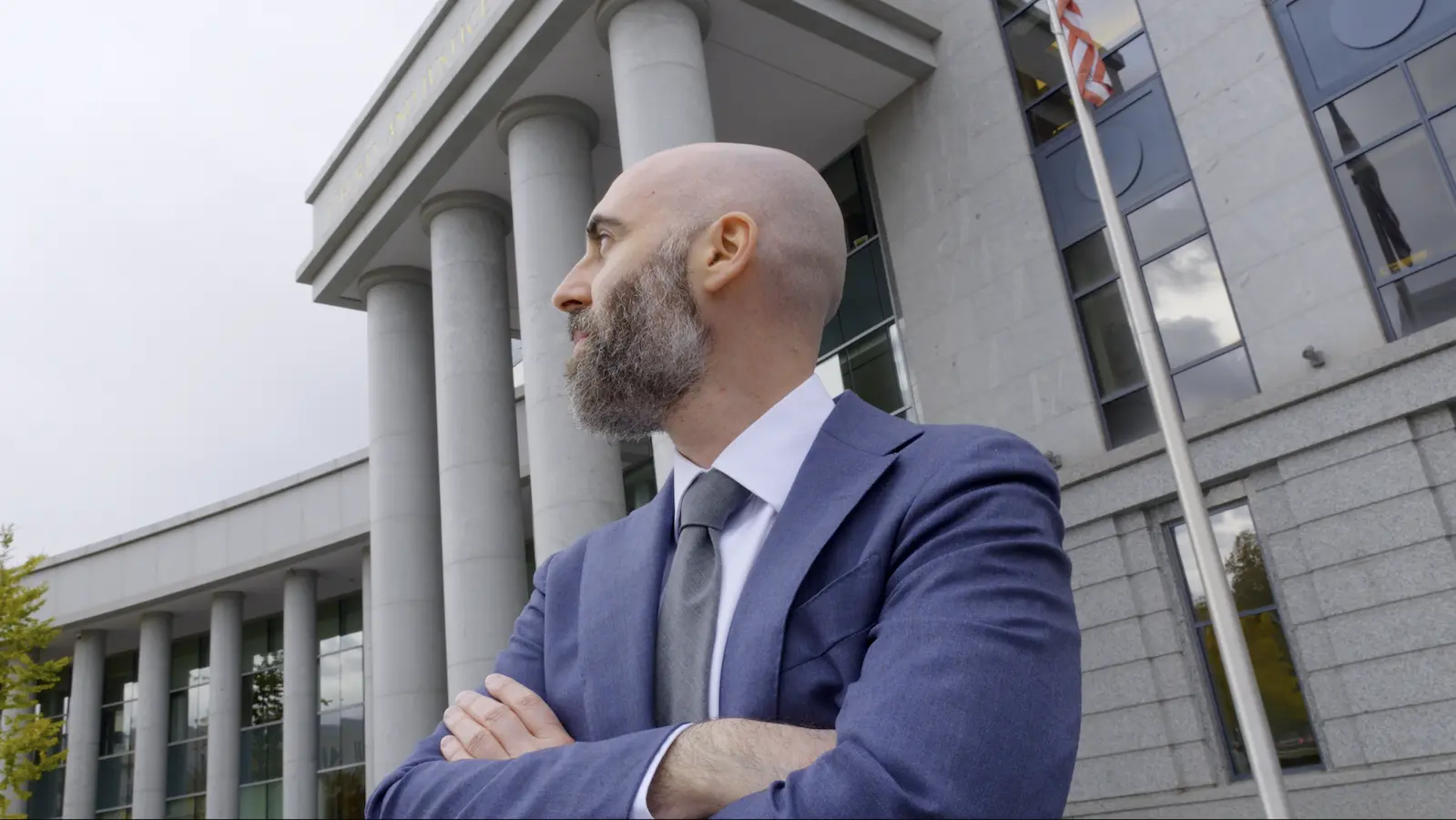
A brain injury claim is a personal-injury case in which another party's negligence caused a traumatic brain injury (TBI), and what sets it apart is not the law but the medicine and the proof. The same Colorado rules that govern any injury apply: the deadline depends on the cause (a car crash carries a three-year deadline; most other injuries, two), comparative negligence can reduce recovery, and, crucially for a TBI, economic damages are not capped. Because a serious brain injury's lifetime cost dwarfs almost everything else, building that number precisely is where these cases are won.
Why Hire a Denver Brain Injury Lawyer?
Because TBIs are the most contested injuries in personal-injury law, and the deck is stacked against an unrepresented victim. The insurer leans on the "normal" scan, argues your symptoms are stress or pre-existing, and offers a fast, small number before the full picture emerges. Most people do not know that mild TBI rarely shows on a standard CT or MRI, that neuropsychological testing provides objective proof, or that the real value lies in a lifetime of care.
A lawyer changes that. We assemble the medical team that documents the injury, preserve the evidence of how it happened, gather the before-and-after witnesses who can describe the change in you, and build the life-care plan and economic model that prove the true cost. Then we hold that number against an insurer that was counting on you not knowing any of this.
Key takeaway: a normal CT scan does not mean there is no brain injury, you do not have to lose consciousness to have one, and the largest part of a serious TBI case is the lifetime of future care, none of which a fast insurance offer accounts for.
How Much Does It Cost to Hire a Denver Brain Injury Lawyer?
Nothing up front. We take brain injury cases on contingency; our fee is a percentage of what we recover, and if we recover nothing, you owe nothing. No hourly bills. We advance the costs, the experts, the imaging, the records, and recoup them only out of a win, and we connect you with specialists who treat now and bill from the settlement. The consultation is free. Call (720) 763-5207.
The "Invisible Injury" Problem, and How We Prove It
A mild TBI happens at a scale a routine scan cannot see: axonal shearing, disrupted neural pathways, and altered brain chemistry, not a bleed large enough to light up a CT. So a "normal" CT or MRI does not mean there is no brain injury, and you do not have to have lost consciousness to have one. Proving it takes a layered approach:
Neuropsychological Testing
The foundation of an invisible-injury case. A battery of standardized tests measures memory, attention, processing speed, and executive function, producing objective data on exactly how the brain is impaired, proof a jury can weigh against the "you look fine" defense. These batteries build in validity and effort testing that confirms the results are genuine, disarming the insurer's malingering accusation before it starts.
Advanced Imaging
Beyond CT, tools like MRI, diffusion tensor imaging (DTI), fMRI, PET, and SPECT can reveal microstructural and functional damage that standard imaging misses. DTI in particular maps the brain's white matter and can detect axonal injury in patients whose conventional scans are clean. We use these alongside the clinical picture, mindful that the science is still developing and is strongest when it corroborates the neuropsychological and treating-physician evidence. Newer tools, including an FDA-cleared blood biomarker test for concussion, add further objective signals.
Before-and-After Witnesses
Family, coworkers, and friends who can testify to who you were before and the person the injury left behind, the memory lapses, the irritability, the lost capacity. This lay testimony is often the most powerful evidence a jury hears.
How Severity Is Measured, and Why It Can Worsen
Doctors grade a TBI on the Glasgow Coma Scale (GCS), mild (13–15), moderate (9–12), or severe (3–8), and we make sure the records capture the scene and ER score, along with any documented confusion, disorientation, or post-traumatic amnesia, all of which are critical TBI evidence even when the initial score looks high. Severity is not fixed at impact, either: the primary injury triggers a secondary cascade of swelling, bleeding, and chemical changes over the hours and days that follow, which is why someone who "seemed fine" can deteriorate, and why an early lowball offer understates the harm.
Types of Brain Injuries
We handle the full range, and tailor the proof to the diagnosis:
- Concussion / mild TBI (mTBI), the most common and most disputed; "mild" describes the initial event, not the lasting impact.
- Moderate and severe TBI, with extended loss of consciousness, bleeding, and lasting deficits.
- Diffuse axonal injury (DAI), widespread tearing of nerve fibers from rotational force, often without a direct blow.
- Coup-contrecoup, injury at the impact site and the opposite side as the brain strikes the skull.
- Penetrating injuries, from an object entering the skull.
- Anoxic and hypoxic injuries, brain damage from oxygen loss in a drowning, cardiac event, or birth injury.
- Second-impact syndrome, catastrophic swelling from a second blow before the first concussion healed.
- Hematomas and hemorrhages, subdural, epidural, intracerebral, and subarachnoid bleeding, which can develop or worsen hours to days after the injury.
- Cerebral contusion (a brain bruise), skull fracture (including depressed fractures), and cerebral edema (swelling).
- Locked-in syndrome and persistent vegetative or minimally conscious states in the most severe injuries.
- Acquired brain injury (ABI) from internal causes like oxygen loss or stroke, distinct from external trauma.
- Post-concussion syndrome and chronic traumatic encephalopathy (CTE), lasting and progressive consequences.
Doctors classify these along two axes, focal versus diffuse, and open (penetrating) versus closed, and we match the proof to the type.
What Causes Brain Injuries in Denver?
Most of our brain injury cases trace to a few preventable events: car, truck, and motorcycle crashes; pedestrian and bicycle collisions; falls on dangerous property and from height; assaults enabled by negligent security; sports and recreation; workplace and construction incidents (with workers' comp plus third-party claims); medical negligence and birth-related oxygen deprivation; and shaken-baby and abuse cases. According to the CDC, falls are the leading cause of TBI-related hospitalizations, followed by being struck by or against objects and motor vehicle crashes, with children and seniors at the highest risk. Whatever the cause, we tailor the liability case to it.
How a Brain Injury Changes a Life
A TBI is not one injury but many at once. Cognitive effects, memory loss, trouble concentrating, slowed processing, impaired judgment, undermine work and independence. Physical effects include headaches, seizures, dizziness, fatigue, and vision and balance problems. Emotional and behavioral changes, depression, anxiety, irritability, impulsivity, personality change, strain marriages and families. The combination can end a career and reshape every relationship, and we document all of it, because it is the heart of the claim. In children, among the highest-risk age groups, a brain injury can derail development for years, and its full effects may not surface until a missed milestone makes them plain.
| Category | Common Symptoms |
|---|---|
| Physical | Headache, dizziness, nausea, balance problems, blurry vision, light/sound sensitivity, ringing in the ears, fatigue, seizures |
| Cognitive | Confusion, slowed thinking, memory lapses, concentration problems, impaired judgment, difficulty multitasking |
| Emotional / Behavioral | Irritability, anxiety, depression, mood swings, personality changes, impulsivity, reduced patience |
| Sleep | Insomnia, oversleeping, unrefreshing sleep, disrupted sleep cycles |
Seek immediate medical care for: worsening headache, repeated vomiting, seizures, weakness or numbness, slurred speech, poor coordination, one pupil larger than the other, increasing confusion, loss of consciousness, extreme drowsiness, or inability to wake the person.
How We Build a Brain Injury Case
We assemble a medical and forensic team built for the injury. A neurologist or neurosurgeon establishes the diagnosis and prognosis; a neuropsychologist quantifies the cognitive deficits; a neuroradiologist interprets advanced imaging; a biomechanical engineer quantifies the forces involved and rebuts the "low-impact, no injury" argument with the vehicle or helmet damage; a life-care planner projects every future cost, therapy, medication, attendant care, assistive technology, supervision, across the lifespan; and an economist reduces lost earning capacity and future care to present value. We secure the ER, EMS, and trauma records (Denver Health is a Level I trauma center), preserve the evidence of how the injury happened, and develop the before-and-after testimony and, where it fits, a day-in-the-life account. We also have you keep a dated symptom journal, which becomes powerful, contemporaneous proof of the injury's daily toll. The result is a case that answers the "normal scan" defense before it is raised, making the invisible visible.
Who Can Be Held Liable for a Brain Injury?
It depends on the cause: a negligent driver or their employer; a property owner for a fall or a foreseeable assault; an employer plus a negligent third party for a workplace injury; a product manufacturer for a defective vehicle, helmet, or machine; a medical provider for malpractice or birth-related oxygen loss; and a government entity (subject to the CGIA's 182-day notice). We pursue every responsible party and every layer of insurance, because a brain injury blows past any single policy. See also our catastrophic injury playbook.
What Types of Damages Are Available?
Economic Damages
Uncapped in Colorado, and usually the largest part of a brain injury case: past and future medical care, cognitive rehabilitation, attendant and supervisory care, medications, assistive technology, home modifications, lost wages, and lost earning capacity. They can also include 24-hour attendant care and, where the injury impairs capacity, the cost of guardianship or conservatorship and special-needs-trust planning to protect benefits. For a serious TBI these can reach into the millions, which is why the life-care plan is decisive.
Non-Economic Damages
Pain and suffering, loss of enjoyment of life, disfigurement, and loss of consortium for a spouse. Under HB24-1472, the general non-economic cap is $1.5 million (2025), holding through 2027 (a medical-malpractice TBI carries its own separate caps).
How Colorado Courts Evaluate Pain and Suffering
There is no formula in the statute. Lawyers and adjusters lean on two recognized working methods.
The Multiplier Method
Economic damages multiplied by a figure, often at the top of the 1.5-to-5 range for a permanent, life-altering brain injury.
The Per Diem Method
A daily value assigned across a lifetime of impairment, whichever method, and whatever proof, drives the larger fully supported number.
Exemplary (Punitive) Damages
For willful and wanton conduct, a drunk driver, a property owner who ignored a known danger, Colorado allows exemplary damages under C.R.S. § 13-21-102, capped at your actual damages.
Wrongful Death Damages
When a brain injury proves fatal, Colorado's wrongful death cap rose to $2,125,000 for claims accruing on or after January 1, 2025, with economic losses uncapped. See our wrongful death overview.
Structured Settlements and Liens
We often structure a brain injury recovery to guarantee lifetime income and to protect a person who cannot manage funds, and we negotiate down every medical lien so more reaches the family.
How Much Is My Denver Brain Injury Case Worth?
No honest lawyer hands you a number before the diagnosis is established and a life-care plan is built. Value runs on the severity and permanence of the cognitive and physical deficits, the lost earning capacity, the strength of the liability proof, and the available insurance across every responsible party. Because economic damages are uncapped and a TBI's lifetime cost is enormous, these are among the highest-value injury cases, but only when the proof is built. We value the case against the full life that changed.
How Colorado's Comparative Negligence Rule Affects Your Claim
Colorado's modified comparative negligence rule (C.R.S. § 13-21-111), the 50% bar, reduces your recovery by your share of fault and erases it at 50%. With this much at stake, defendants fight hard on fault and lean on two TBI-specific arguments: that your symptoms are a pre-existing condition or unrelated stress, and that the "normal" scan means you are uninjured. We answer with the neuropsychological data, the imaging, and the before-and-after witnesses, and we counter any "non-party at fault" designation under C.R.S. § 13-21-111.5. Defendants also mine a gap in treatment, a failure to complain at the scene, your social media, and a defense-hired neuropsychologist's exam for anything to brand you as exaggerating, which is exactly why early, consistent treatment and our own validity-tested experts matter.
Should I Accept the Insurance Company's First Offer?
No. A brain injury's full effects emerge over months, the cognitive and emotional changes, the failure to return to work, the need for ongoing care, and a fast offer is designed to close the claim before any of that is documented. Once you sign, the lifetime of care the offer ignored is yours to fund. We do not engage on a number until the diagnosis, the prognosis, and the life-care plan are complete, generally once you have reached maximum medical improvement, the point at which a permanent-impairment rating can be set.
How Long Do I Have to File a Brain Injury Claim in Colorado?
It depends on the cause: generally two years for most injuries (C.R.S. § 13-80-102), three years for a motor-vehicle crash (§ 13-80-101), and a separate deadline for medical malpractice, all with a 182-day notice requirement for a claim against a government entity (CGIA). The clock can be paused for minors and for the legally incapacitated, which matters when a TBI itself impairs capacity. Because the medical workup takes time, start early.
When Should I Hire a Lawyer?
As soon as you can. Early neuropsychological testing creates a baseline, the evidence of how the injury happened fades fast, and prompt treatment both helps recovery and documents the injury. Hiring early lets us direct the workup, preserve the proof, and get between you and an insurer eager to call you "fine."
Will My Denver Brain Injury Case Go to Trial?
Brain injury cases settle when the medical proof is undeniable, but they must be built for trial, an insurer that sees neuropsychological testing, credible imaging, a life-care plan, and compelling before-and-after witnesses pays differently than one that senses a claimant who cannot prove an invisible injury. Venue is Denver District Court or the county where the injury occurred. If trial is what it takes, we are ready.
Talk to a Denver Brain Injury Lawyer Today
If you or someone you love suffered a brain injury, the most important thing is to prove it, fully, with the right medicine, before an insurer writes it off. The consultation is free, and you pay nothing unless we win.
Get a Free Case Review Call 720-763-5207Get a FREE Case Evaluation Today
We're here to help, 24 hours a day, 7 days a week