Carbon Monoxide Poisoning Lawyer in Denver, CO
Carbon monoxide poisoning in a Denver rental or hotel? Lionheart Injury Law turns the missing CO alarm into maximum compensation.
Start Your Free Case ReviewRecent Results

What Compensation Can You Recover for Carbon Monoxide Poisoning?
Carbon monoxide cases at our firm typically settle for $250,000 to $5 million, and the catastrophic ones go seven to eight figures. CO cases are brain injury cases, and brain injuries carry lifetime valuations.
We prepare every case for trial from day one, and insurers know it. That is why our settlements come in bigger and faster.
With us, you speak directly with your attorney, and our RN Medical Director manages your medical care from day one, insurance or no insurance. There's no fee unless we win. Contact us now for a free consultation.
What Is a Carbon Monoxide Poisoning Claim?
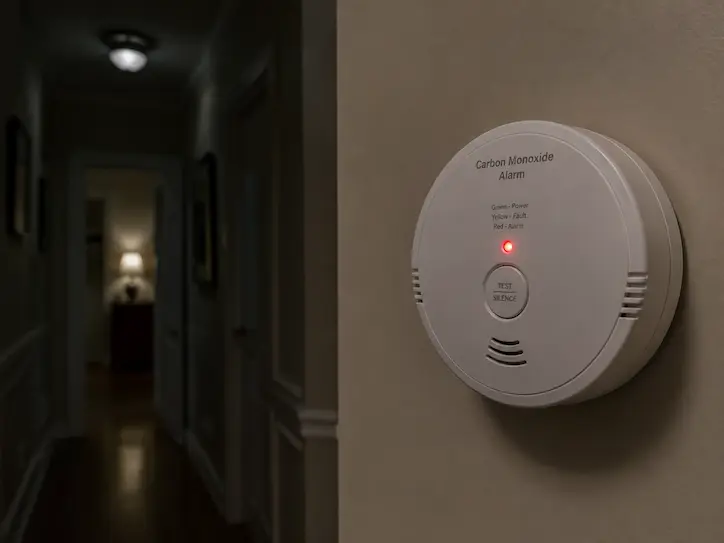
A carbon monoxide poisoning claim is a personal-injury or wrongful-death case against the party whose negligence let the gas reach you, typically built on premises liability, ordinary negligence, or product liability, and often strengthened by a violation of Colorado's carbon monoxide alarm law. Colorado requires CO alarms in homes and rentals with fuel-burning appliances or an attached garage, and imposes specific duties on landlords. When a responsible party ignores those duties or creates the hazard, a bad furnace, a botched install, a defective detector, and someone is poisoned, the law provides a path to recovery. A clear safety-law violation can even establish negligence per se.
Why Should I Hire a Denver Carbon Monoxide Poisoning Lawyer?
Because these cases are technical, the defendants are insured and well-represented, and the proof has a short shelf life. The furnace gets "repaired," the readings are never taken, and the medical records say "flu-like symptoms" instead of poisoning. Most victims don't know that Colorado's alarm statute imposes hard duties on landlords, that a code or alarm violation can be negligence per se, that carboxyhemoglobin blood levels and scene CO readings are the evidence that proves the case, or that carbon monoxide can cause delayed neurological damage that shows up weeks later.
A lawyer protects the case. We move fast to preserve the appliance and venting evidence, obtain the fire department and utility response records, the landlord's maintenance and alarm-compliance history, the installation and inspection records, and the medical proof of exposure, and we bring in HVAC, combustion, and medical experts to trace the source and the harm. We pursue every responsible party and the insurance behind each.
Key takeaway: a missing or non-working required alarm can be negligence per se, the single most important evidence is the appliance that produced the gas, and carbon monoxide can cause delayed brain injury weeks later, so don't settle, and don't let anyone "repair away" the source.
How Much Does It Cost to Hire a Denver CO Poisoning Lawyer?
Nothing up front. We take carbon monoxide cases on contingency; our fee is a percentage of what we recover, and if we recover nothing, you owe nothing. We advance the costs of the investigation and the combustion, toxicology, and medical experts, and recoup them only out of a win. The consultation is free. Call (720) 763-5207.
How Carbon Monoxide Poisoning Happens
The sources are well known and almost always preventable. Faulty or poorly maintained furnaces and heating systems, a cracked heat exchanger is a classic cause. Blocked, disconnected, or improperly installed vents and flues that send exhaust back into living space. Water heaters, boilers, and gas appliances that were installed or repaired negligently. Portable generators run in or too near a home, especially during outages. Blocked chimneys. Vehicles left running in attached garages. Pool and spa heaters and other gas equipment in enclosed spaces. And the failure that turns any of these deadly: a missing, disabled, or defective carbon monoxide alarm that should have sounded in time. Each points to a party that should have prevented it, a landlord, an installer, a manufacturer, or a property owner.
Who Can Be Held Liable for Carbon Monoxide Poisoning?
Depending on the source: a landlord or property manager who failed to maintain appliances or to provide and maintain required CO alarms; a hotel, motel, or short-term-rental operator with the same duties to guests; an HVAC, plumbing, or contractor who installed or repaired equipment negligently; a manufacturer of a defective appliance, vent, generator, or CO detector; a builder whose construction created the hazard; and an employer for a workplace exposure. We identify every responsible party and every policy. See also our hotel injury overview.
Colorado's Carbon Monoxide Alarm Law
Colorado adopted a carbon monoxide safety law (C.R.S. § 38-45-101 et seq., the Lofgren and Johnson Families Carbon Monoxide Safety Act) after preventable deaths, and it matters in these cases. The law requires CO alarms in dwellings that have fuel-fired appliances, a fireplace, or an attached garage, triggered at sale, at new construction, and on certain alterations. For rental properties, a landlord must provide a working alarm, replace one found missing or non-operational before a new tenancy, supply the batteries needed to make it work, and fix or replace an alarm a tenant reports as broken. When a landlord or builder ignores these requirements and a tenant or guest is poisoned, that violation can be powerful evidence of negligence, and, where it applies, negligence per se.
How Carbon Monoxide Hurts the Body
Carbon monoxide binds to the blood far more readily than oxygen, starving the brain, heart, and organs of what they need. Early symptoms, headache, dizziness, nausea, fatigue, confusion, are easy to mistake for the flu, which is part of what makes CO so dangerous. Higher or longer exposure causes loss of consciousness, hypoxic brain injury, seizures, cardiac injury, and death. And carbon monoxide is notorious for delayed neurological sequelae: cognitive problems, memory loss, mood changes, movement disorders, and personality changes that can appear days or weeks after the exposure seems to have passed. Children, the elderly, pregnant women, and people with heart or lung conditions are especially vulnerable. We document the full medical picture, including the injuries that surface later. The CDC reports that carbon monoxide poisoning kills hundreds and sends tens of thousands to emergency rooms in the United States every year.
How We Build a Carbon Monoxide Case
These cases are won with fast, technical evidence-gathering. We move to preserve the appliance, vent, and detector for expert inspection before they're repaired or replaced, and we obtain the fire department and gas-utility records and CO readings, the landlord's maintenance and alarm-compliance history, installation and inspection records, building permits, and prior complaints. On the medical side, we secure the carboxyhemoglobin (COHb) blood levels and the treatment records that prove exposure, and we work with combustion/HVAC engineers, toxicologists, and neurologists to connect the source to the harm, including any delayed neurological injury. Paired with the proof of the safety-law violation, it builds a case the defense can't dismiss as "the flu."
What Types of Damages Are Available?
Economic Damages
Uncapped in Colorado, and often substantial: emergency and hospital care (including hyperbaric oxygen treatment), future medical and neurological care, cognitive rehabilitation, lost wages, lost earning capacity, and the lifetime cost of care for a hypoxic brain injury. For a serious poisoning these are the largest part of the case, built with a life-care plan.
Non-Economic Damages
Pain and suffering, loss of enjoyment of life, cognitive and emotional harm, and loss of consortium for a spouse. Under HB24-1472, the general non-economic cap is $1.5 million for claims accruing on or after January 1, 2025.
How Colorado Courts Evaluate Pain and Suffering
There is no statutory formula, so two working methods are used.
The Multiplier Method
Economic damages multiplied by a severity-scaled figure, toward the high end for a permanent brain or cardiac injury.
The Per Diem Method
A daily value assigned across the period of impairment, including a lifetime for permanent injury, whichever method drives the larger justified number.
Exemplary (Punitive) Damages
For willful and wanton conduct, a landlord who ignored repeated reports of a gas smell or a broken detector, Colorado allows exemplary damages under C.R.S. § 13-21-102, capped at the amount of actual damages.
Wrongful Death Damages
Carbon monoxide poisoning is too often fatal, sometimes to a whole family. Colorado's wrongful death cap is $2,125,000 for claims accruing on or after January 1, 2025, with economic losses uncapped. We handle these cases for families with care. See our wrongful death guide.
How Much Is My Carbon Monoxide Case Worth?
No honest lawyer gives a number before the exposure, the source, and the medical picture, including any delayed injury, are established. Value turns on the severity and permanence of the harm, the lost earning capacity, the strength of the liability proof (an alarm-law or code violation helps), the number of responsible parties, and the available insurance. Because economic damages are uncapped and CO injuries can be catastrophic, these cases can be significant when the proof is built. We value the case against the full harm done.
How Colorado's Comparative Negligence Rule Affects Your Claim
Colorado's modified comparative negligence rule (C.R.S. § 13-21-111), the 50% bar, reduces your recovery by your share of fault and bars it at 50% or more. Defendants argue a tenant disabled the alarm or ignored a warning. We answer with the maintenance history, the alarm-compliance records, and the expert source analysis, and we counter any "non-party at fault" designation under C.R.S. § 13-21-111.5. A tenant's duty does not erase a landlord's obligation to provide a safe home and a working alarm.
Should I Accept the First Offer?
No. An early offer from an insurer is built to close the claim before the source is inspected, the records are pulled, and the full medical picture, especially the delayed neurological effects, is known. Once you sign a release, the future care it ignored is yours to fund. We don't engage on a number until the investigation and the medical workup are complete.
How Long Do I Have to File a Carbon Monoxide Claim in Colorado?
Generally two years from the poisoning for a negligence or premises claim (C.R.S. § 13-80-102), and generally two years for a product-liability claim against a manufacturer (§ 13-80-106). A claim involving a government entity can trigger the Colorado Governmental Immunity Act's 182-day notice deadline. Because the appliance and detector can be repaired or discarded within days, the practical deadline to act is immediate. Call as soon as you can.
Who Pays for a Carbon Monoxide Injury?
The recovery depends on the source. When the poisoning happened in a rental, the landlord's or property manager's commercial or rental-property liability policy is usually the primary source, and a hotel or short-term-rental operator's policy plays the same role for guests. When a negligent installation or repair caused it, the HVAC, plumbing, or contractor's commercial liability coverage applies. A defective appliance, vent, generator, or detector reaches the manufacturer's product-liability coverage. A builder or developer whose construction created the hazard may be liable, and a workplace exposure brings the employer's coverage and a workers'-compensation claim. We map every layer early, because carbon monoxide cases frequently involve several defendants, and a whole-family poisoning or a death can far exceed any single policy.
What to Do After Carbon Monoxide Exposure
Acting fast protects both your health and the case. Get to fresh air and call 911, and get a medical evaluation; ask specifically about a carboxyhemoglobin (COHb) blood test, because the level drops quickly once you're out of the exposure, so timing matters. The single most important step for the case is to preserve the source: do not let the landlord, hotel, or a contractor repair, replace, or "inspect away" the furnace, water heater, vent, or detector, because that equipment is the evidence. Get the fire department and gas-utility report and any CO readings they took, photograph the detectors and appliances, and keep your lease and any maintenance requests that show you reported a problem. Note everyone who was exposed and their symptoms. And because carbon monoxide can cause delayed neurological problems weeks later, watch for them and follow up medically even if you feel better. If steps were missed, the source may still be recoverable, which is why calling immediately matters most here.
When Should I Hire a Lawyer?
Right away, ideally before the furnace or appliance is touched. The single most important piece of evidence is the equipment that produced the gas, and landlords and contractors move quickly to repair or replace it. Early counsel preserves the source, secures the response and medical records, and protects you from a recorded statement built to shift blame.
Renters, Hotels, and Short-Term Rentals at Special Risk
Carbon monoxide poisoning concentrates where people sleep in buildings they don't control. Denver's older rental housing, with aging furnaces, water heaters, and fireplaces, is a particular risk (the same neglected buildings where we see toxic mold injuries from leaks nobody fixed), and tenants depend completely on landlords to maintain that equipment and to provide the working alarms Colorado law requires. A landlord who ignores a furnace complaint, skips maintenance, or never installs a required detector is gambling with tenants' lives, and the alarm-law and building-code violations that follow can establish negligence per se.
Hotels, motels, and short-term rentals carry the same duties to guests, who are even more exposed, because they're sleeping in an unfamiliar room with no idea where the detectors are or whether the appliances are safe. When a poisoning happens in a rented space, we look past the obvious defendant to everyone responsible: the owner, the property-management company, and the HVAC or plumbing contractor whose negligent work or skipped maintenance produced the gas. We also press for the building's permit and inspection history, which frequently reveals that the dangerous furnace, water heater, or vent was installed or altered without the permits and oversight the law requires, another thread of negligence that points straight to a responsible party.
Will My Case Go to Trial?
Insurers settle when the source is proven and the safety-law violation is clear, but only when the case is built for trial. Venue is typically the county where the poisoning occurred or where the defendant is based. If trial is what it takes, we're ready.
Talk to a Denver Carbon Monoxide Poisoning Lawyer Today
If you or your family was poisoned by carbon monoxide, the evidence is disappearing while you recover, and the law gives you real rights against the party that let it happen. The consultation is free, and you pay nothing unless we win.
Get a Free Case Review Call 720-763-5207Get a FREE Case Evaluation Today
We're here to help, 24 hours a day, 7 days a week