Slip and Fall Lawyer in Aurora, CO
Lionheart Injury Law holds property owners accountable and recovers maximum compensation after a slip and fall in Aurora.
Start Your Free Case ReviewRecent Results

What Compensation Can You Recover for a Slip and Fall in Aurora?
Most serious slip and fall cases we take resolve between $200,000 and $10 million, and the catastrophic ones define the top of that range. Premises cases are notice cases: prove what the owner knew, and the value follows.
We prepare every case for trial from day one, and insurers know it. That is why our settlements come in bigger and faster.
With us, you speak directly with your attorney, we help you get immediate medical care, regardless whether you have insurance, and there's no fee unless we win. Contact us now for a free consultation.
Why Hire Lionheart Injury Law After an Aurora Slip and Fall
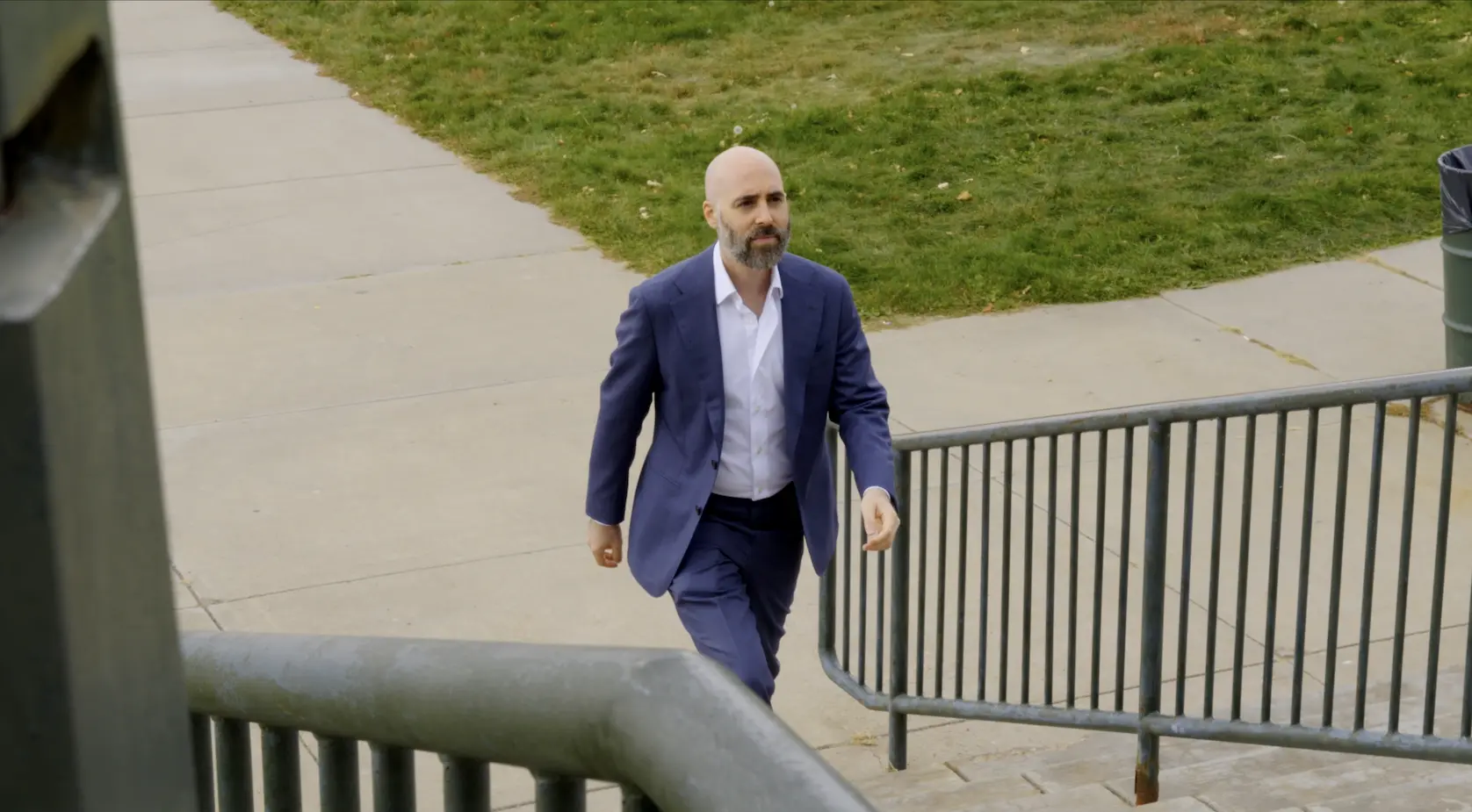
Property owners and their insurers have a standard playbook: dispute notice, dispute causation, and push your share of the fault as high as possible. They start building that case the moment you report the fall. We start building yours the moment you call us.
We are a trial-focused firm. Aurora-area insurance companies and defense adjusters know which firms settle cheap and which firms prepare for trial from day one. That reputation moves numbers, and drives faster, larger settlements before we ever step into an Arapahoe County or Adams County courtroom.
What You Get When You Hire Us:
- Spoliation letters sent within days. Surveillance footage at most Aurora retailers overwrites in 30 to 90 days. We demand its preservation before it disappears.
- Deep local knowledge. We know the ordinances Aurora actually enforces, the building codes that apply to Arapahoe and Adams County properties, the apartment management companies operating across the Havana and Chambers corridors, and how Aurora juries weigh credibility.
- Direct attorney access. You talk to your lawyer, not a rotating cast of intake staff.
- No bills unless we win. Contingency fee only. Free consultations always.
Lionheart Injury Law is also the only personal injury firm in Aurora that serves the Ethiopian, East African, and broader African communities, communities that form a significant and vibrant part of Aurora's population, particularly along Colfax and near the Anschutz Medical Campus. We understand the cultural and practical barriers these communities face when navigating the American legal system after an injury, and we are committed to making sure every member of our community receives the same aggressive, full-value representation as anyone else.
How Colorado Premises Liability Law Works
In Colorado, slip-and-fall claims are governed exclusively by the Colorado Premises Liability Act, C.R.S. § 13-21-115. The PLA applies to anyone who owns or controls property, a grocery chain at Town Center at Aurora, a landlord on Havana Street, a restaurant at Stanley Marketplace, the City of Aurora, or a homeowner along Quincy Avenue.
The PLA divides every plaintiff into one of three categories. The category dictates the duty of care owed, and it controls the entire case:
Invitee
A customer at King Soopers, a shopper at Southlands Mall, a patient at the Anschutz Medical Campus, anyone on the property to do business or in response to a public invitation. Invitees receive the strongest protection. The landowner is liable for failing to use reasonable care against dangers it actually knew about or should have known about through reasonable inspection.
Licensee
A social guest, a friend visiting an apartment, a delivery worker entering for their own purpose. The landowner is liable for dangers it created and actually knew about, and for unusual hidden dangers it knew about and failed to warn against.
Trespasser
Someone on the property without consent. Owed only the duty not to be intentionally harmed, with narrow exceptions for child trespassers under the attractive nuisance doctrine.
Most Aurora slip-and-fall cases involve invitee status because most falls happen at businesses and public spaces. Getting the category right is your attorney's first job.
The Four Elements of Every Slip and Fall Claim
Every Aurora premises liability claim requires proof of four elements:
- Duty. The landowner owed a duty to you based on your plaintiff category.
- Breach. The landowner failed that duty, left the spill sitting, ignored the broken handrail, left the parking lot iced over for hours after Aurora's 24-hour snow removal deadline.
- Causation. The breach caused the fall and the injuries.
- Damages. You suffered real, measurable harm.
Notice is the key battleground on breach. You must show the landowner either knew about the hazard (actual notice) or should have known through reasonable inspection (constructive notice). A spill that just happened is one case. A spill that had been there 45 minutes, dried, and walked around by two employees is a very different one, and courts treat them differently.
Aurora has adopted the International Building Code, International Property Maintenance Code, and related ANSI A1264.2 slip-resistance standards. When a stairwell lacks required handrail height, flooring fails slip-resistance specs, or lighting drops below code minimums, those violations become Exhibit A on breach.
Types of Slip and Falls in Aurora We Handle
Aurora is Colorado's third-largest city, roughly 400,000 people spread from Buckley Space Force Base in the east through the Anschutz/Fitzsimons medical corridor in the west, connected by I-225, E-470, Colfax Avenue, Parker Road, and Smoky Hill Road. That geography drives a constant, predictable flow of premises hazards.
Wet and Slippery Floor Falls
The most common category. Liquid spills on retail and restaurant floors account for a substantial share of all fall injuries treated in emergency rooms. The Centers for Disease Control and Prevention (CDC) identifies falls as one of the leading causes of unintentional injury in the United States, and the same floor hazards that injure workers injure every Aurora resident who shops, eats, or seeks medical care in public spaces.
Inside Retail and Grocery Stores
King Soopers, Walmart, Target, Costco, and the big-box retailers at Southlands and Town Center at Aurora produce a predictable mix of hazards: spilled liquids in checkout lanes and produce sections, leaking freezer-case condensation forming invisible puddles on tile, tracked-in rain and snow near entrances, and defective or bunched entry mats that catch a shoe. These businesses operate at scale, and the law holds them to a standard that matches their resources and their knowledge of recurring hazards.
Produce and Freezer Aisle Falls
Refrigerated display condensation is a year-round hazard in Aurora's grocery stores. Unlike a visible spill, freezer-case drips form gradually and persistently, often away from the center of the aisle where cleaning crews focus. The National Floor Safety Institute estimates that floors and flooring materials contribute to over two million fall injuries treated in U.S. emergency rooms annually. Property owners know this hazard exists, the ones who fail to install proper drain systems or maintain adequate inspection schedules are liable for the foreseeable result.
Tracked-In Snow and Rain at Store Entrances
Aurora's climate means every retail entrance in the city becomes a slip hazard within minutes of a snowfall from November through March. Adequate absorbent matting, runners, and posted warnings are a minimum standard. When a store deploys a single decorative mat at a high-traffic entrance and the tile behind it is ice-slick at 8 a.m., the store had notice. The duty to act is clear under Colorado law.
Restaurant and Bar Floor Falls
Grease migration from kitchen areas onto dining floors, unsalted entryways along the Stanley Marketplace and Town Center at Aurora corridors, broken exterior steps, and unlit outdoor seating areas are a consistent source of invitee claims. Aurora's restaurant density, particularly along Colfax Avenue, Havana Street, and the Fitzsimons/Anschutz medical campus area, generates a steady volume of these cases.
Outdoor and Parking Lot Falls
Cracked concrete, uneven pavement, sunken curb cuts, and improperly graded lots are hazards that accumulate over time on properties that defer maintenance. Aurora's altitude and its dramatic temperature swings, from warm afternoons to sub-freezing nights, sometimes within the same day, accelerate pavement deterioration faster than many other Colorado cities and create a duty to inspect and repair on a regular schedule.
Snow and Ice in Aurora Parking Lots and Walkways
Aurora Municipal Code requires snow removal within 24 hours of a snowfall, with administrative fines for non-compliance. Parking lot owners who salt entry lanes but ignore pedestrian crossings, or who wait 36 hours before treating walkways, face direct liability when a patron falls. We've handled these cases across the I-225 corridor and along Havana Street and Mississippi Avenue repeatedly.
Black Ice on Property Walkways After the 24-Hour Deadline
Aurora's freeze-thaw cycle, a 50-degree afternoon refreezing into invisible black ice by 5 a.m., creates some of the most legally clear-cut fall cases we handle. When a property owner had 24 hours to treat and failed to act, the ordinance violation is direct evidence of breach. The property's own maintenance logs, or the absence of them, often prove the case without the need for expert testimony on the standard of care.
Apartment Complex and HOA Falls
Aurora is a renter-heavy city, and the apartment-dense corridors along Havana Street, Chambers Road, and Buckley Road generate significant fall claim volume. HOAs and property managers owe a duty over common areas: hallways, exterior walkways, parking lots, pool decks, mailrooms, laundry facilities, and stairwells. Common failure modes include cracked or heaved concrete stairwells, missing or loose handrails, inadequate parking structure lighting, torn carpet in interior corridors, and untreated walkways following snowfall.
Stairway and Handrail Failures
Building codes prescribe exact specifications: handrail height between 34 and 38 inches above the stair nosing under the International Building Code, minimum tread depth, riser height uniformity, and handrail graspability standards. When an apartment complex on Abilene Street or a strip mall on Colfax Avenue fails these specifications and someone falls on the stairs, the code violation is breach established by the building inspection record itself. We retain forensic safety engineers who measure, photograph, and document every deviation.
Hotel and Short-Term Rental Falls
Slick lobby tile without adequate non-slip surfacing, wet pool decks, broken tub rails, and unmarked elevation changes are consistent sources of claims along Aurora's I-225 hotel corridor. Short-term rental property owners carry the same duty as any other landowner under Colorado's Premises Liability Act.
Public Sidewalks and Government Property Falls
Cracked public sidewalks, sunken curbs, and untreated government walkways are governed differently. Claims against the City of Aurora, RTD, or any Colorado governmental entity require written notice within 182 days under the Colorado Governmental Immunity Act (CGIA). Miss that deadline and the claim is permanently barred regardless of how strong the facts are. We issue that notice as soon as we are retained.
Some settings recur so often they have their own pages: gym injuries, yoga studio injuries, pool accidents, falling trees and limbs, and dog attacks, all governed by the same premises rules on this page.
Not Sure If Your Fall Qualifies?
A free call with our team can clarify whether you have a case worth pursuing. Most falls at businesses, apartment complexes, and government-owned properties in Aurora do.
Get a Free Case Review Call 720-763-5207Common Slip and Fall Injuries
The Centers for Disease Control and Prevention (CDC) identifies falls as the leading cause of injury-related deaths among adults 65 and older, and reports that over 36 million falls occur among older adults in the United States each year, resulting in more than 32,000 deaths and approximately 8 million emergency department visits annually. But falls injure people of every age, and the mechanism of the fall determines the injury pattern.
A slip typically throws you backward, loading the lower lumbar spine and sending the back of the skull toward the floor. A trip throws you forward, and the instinct to break the fall with outstretched arms fractures wrists, elbows, and shoulders while forward momentum risks a frontal head impact. The medical workup, and the damages valuation, follows directly from the mechanism.
Traumatic Brain Injuries
Head impacts from falls are a leading cause of traumatic brain injury in the United States. CDC TBI data consistently identifies falls as the leading cause of TBI-related emergency department visits across all age groups. Aurora residents who strike their heads on hard flooring, concrete pavement, parking lot asphalt, or a stairwell railing are at significant TBI risk regardless of whether they lost consciousness.
Types of TBI Caused by Falls
Brain injuries from falls span a clinical spectrum. All of them are compensable under Colorado's Premises Liability Act, and all of them, including the ones insurers dismiss as minor, can produce life-altering consequences.
Mild Traumatic Brain Injury (mTBI) and Concussion
The most common and the most frequently underestimated. Symptoms may not surface for 24 to 72 hours after the fall: persistent headaches, cognitive fog, memory gaps, sleep disruption, light and sound sensitivity, and emotional dysregulation. Insurance adjusters routinely argue that a concussion from a slip and fall is "just a bump." Neuropsychological testing, functional MRI, and treating physician testimony counter that argument with objective evidence. Research published in peer-reviewed journals including the Journal of Neurotrauma and Neurology documents persistent post-concussive symptoms lasting months to years in a meaningful percentage of patients, particularly after falls involving rotational forces, exactly the mechanism of a backward slip on a hard floor.
Moderate to Severe TBI: Contusion, Subdural Hematoma, and Diffuse Axonal Injury
These are the cases that arrive at the emergency departments of UCHealth University of Colorado Hospital or the Medical Center of Aurora with loss of consciousness, post-traumatic amnesia, CT-visible intracranial hemorrhage, or signs of herniation. They represent the most catastrophic fall outcomes, and they command the largest damages awards. We work with neuroradiologists, neurosurgeons, neuropsychologists, and life-care planners to document the full scope of permanent neurological impairment and its lifetime cost.
Spinal and Disc Injuries
A backward slip compresses the lumbar spine and commonly herniates discs at L4-L5 or L5-S1. A fall on a stairwell with sudden hyperextension can damage cervical discs at C5-C6 or C6-C7. These injuries frequently require epidural steroid injections, months of physical therapy, and in significant cases, surgical discectomy or spinal fusion. Future medical costs for a serious disc injury can easily exceed $150,000, all recoverable as uncapped economic damages in a Colorado premises liability claim.
Hip, Wrist, and Shoulder Fractures
Falls are the leading cause of hip fractures in adults over 65. Research published in orthopedic and geriatric literature documents one-year mortality rates of 15 to 36% following hip fracture in elderly patients, making these among the most medically serious fall outcomes we handle. Wrist and shoulder fractures result from the protective outstretching reflex on a forward trip, while hip fractures typically follow a lateral fall directly onto the greater trochanter. All of these injuries can permanently alter a patient's ability to work, live independently, and engage in the activities that defined their life before the fall.
ACL, Meniscus, and Soft-Tissue Injuries
The sudden torque of a slip, one foot shooting forward while the body tries to recover balance, tears the anterior cruciate ligament, medial collateral ligament, or meniscus with the same mechanism as a high-impact sports injury. These require MRI for documentation and frequently lead to arthroscopic surgery and months of rehabilitation. Soft-tissue tears are a consistent battleground for insurance companies who argue the condition is "pre-existing." We defeat that argument with targeted medical record review, surgical records, and orthopedic expert testimony that establishes the injury's relationship to the fall.
Aggravation of Pre-Existing Conditions
Under Colorado's eggshell-plaintiff rule, the defendant takes the victim as found. A fall that would produce minor bruising in a healthy 35-year-old can be catastrophic for a 68-year-old Aurora resident with osteoporosis, a prior hip replacement, or degenerative disc disease. The pre-existing condition does not reduce the recovery, the defendant is liable for the full extent of harm the fall caused, including harm that is dramatically worse because of the underlying condition.
Always seek medical care immediately after a fall. Adrenaline masks serious injuries. Concussions, disc damage, and internal soft-tissue tears often surface days later. Delaying treatment gives the property insurer its first and most-used argument: that the injury was not caused by the fall.
Snow, Ice, and Aurora's Freeze-Thaw Trap
Aurora winters are deceptive. A 50-degree afternoon refreezes into black ice by 5 a.m. That cycle, repeated dozens of times each winter along Mississippi Avenue, Iliff Avenue, Buckley Road, and the apartment-dense Havana Street corridor, drives a significant share of the city's annual fall injury volume.
Aurora Municipal Code requires property owners to clear snow and ice within 24 hours of a snowfall. Administrative fines attach for violations: $25 for single-family homes, $50 for commercial properties. But the standard in an injury case goes further than the fine schedule. Colorado common law holds that businesses owe invitees a duty to address known ice hazards, the "natural accumulation" defense that protects landowners in some states gets limited traction in Colorado once a property owner had notice and reasonable time to act. Whether the business had four hours or thirty-six hours matters. Whether they salted the entrance but not the pedestrian path to the parking lot matters. Whether they had a written maintenance protocol but failed to follow it matters.
A bag of ice melt and thirty minutes of labor is cheap. A hospitalization for a fractured hip or a traumatic brain injury is not. The law expects property owners to do the cheap thing. When they don't, the law makes them pay for the difference.
What You Can Recover in an Aurora Slip and Fall Case
Colorado premises liability claims break into two main categories of damages, with a third available in egregious cases:
Economic Damages
Medical bills past and future, lost wages, lost earning capacity, in-home care, prescription costs, transportation to appointments, and every out-of-pocket expense tied to the injury. No cap. A serious fall involving spinal surgery and months of physical therapy can generate $300,000 or more in economic damages before lost wages are added.
Non-Economic Damages
Pain and suffering, anxiety, loss of enjoyment of life, scarring, disfigurement, and loss of consortium for a spouse. Colorado caps these at $1.5 million under HB24-1472 for 2026, with biennial inflation adjustments beginning in 2028. We work to document the full human cost so the cap is never left on the table.
Exemplary Damages
Available under C.R.S. § 13-21-102 for willful and wanton conduct, the landlord who actively concealed a known hazard, ignored repeated written complaints, or deliberately violated safety codes. A court can match the compensatory award dollar-for-dollar and triple it in extreme cases.
Recoverable damages also include disfigurement and scarring, PTSD, loss of consortium for a spouse, and the cost of household services and personal care the family pays out of pocket while the injured person recovers.
The 50% Bar: Don't Give Up Your Case at the Scene
Colorado runs on modified comparative negligence under C.R.S. § 13-21-111. If a jury finds you less than 50% responsible for your fall, you recover, reduced by your share. If they find you 50% or more responsible, you recover nothing.
Insurance defense lawyers know this rule cold and they aim straight at it. They argue you were looking at your phone. You were wearing flip-flops. You took a shortcut through a closed-off area. You ignored a posted warning sign. You assumed the risk by walking near a pool deck or a freshly mopped gym floor. The arguments are predictable, and so are the responses to them.
What you say in the first minutes after a fall shapes the entire case. Do not apologize on camera. Do not speculate about the cause. Do not give a recorded statement to the property's insurer before speaking with an attorney. A recorded statement taken by an adjuster within 24 hours of the fall, before you've had treatment or a lawyer, is designed to capture statements that push your fault percentage above 50%.
Filing Deadlines for Aurora Slip and Fall Claims
Two-Year Statute of Limitations
Aurora slip-and-fall victims generally have two years from the date of the fall to file suit under C.R.S. § 13-80-102. Miss it and the courthouse door closes permanently, regardless of how strong the facts are or how serious the injuries.
182-Day Government Notice Deadline
Claims against public entities, the City of Aurora, RTD, the State of Colorado, require written notice within 182 days under the Colorado Governmental Immunity Act. This deadline runs from the date of the fall, not the date you hire a lawyer. Missing it permanently bars the claim.
Two years sounds like plenty of time. It isn't. Surveillance footage at most Aurora retailers overwrites in 30 to 90 days. Maintenance and sweep logs go missing. Witnesses move on. Spoliation letters need to go out within days of the fall to lock down the evidence that wins cases. Call before the footage is gone.
What to Do After a Slip and Fall in Aurora
Move quickly and methodically. The steps you take in the first 24 to 48 hours shape your entire case.
- Get medical care immediately. Even if you feel fine, adrenaline masks injury, and concussions, disc damage, and soft-tissue tears often surface 24 to 72 hours later. The emergency departments at UCHealth University of Colorado Hospital and Medical Center of Aurora document injuries and create the medical record that anchors your claim.
- Report the fall in writing. Ask the property manager, store manager, or supervisor for an incident report. Get a copy or a reference number before you leave the property.
- Photograph everything. The hazard itself, the lighting (or lack of it), the presence or absence of warning signs, your shoes, and the surrounding area. Time-stamped phone photos are your most reliable evidence and cannot be altered after the fact.
- Collect witness information. Names and phone numbers of anyone who saw the fall or observed the hazard before the fall.
- Preserve your shoes and clothing. Do not wash them. Defense forensic experts inspect sole tread, heel wear, and sole condition to argue contributory negligence.
- Stay off social media. Property insurers actively monitor claimants' accounts for any image or post that could undercut the injury claim. A single photo at a family gathering three weeks after a fall can cost you six figures.
- Call a lawyer before you call the property insurer. A good Aurora premises liability attorney issues spoliation letters within days, demands surveillance footage preservation, and locks down the chain of evidence before it disappears.
What the Defense Will Throw at You
Expect three standard plays from the property owner's insurer:
- Open and obvious. The argument that any reasonable person would have seen the hazard and avoided it. We defeat it by establishing that the hazard was not clearly visible to someone paying ordinary attention, or that the property owner had a duty to remedy it even if it was technically visible.
- No notice. The argument that the landowner didn't know and couldn't reasonably have known about the hazard. We defeat it with maintenance logs, inspection schedules, prior incident reports, sweep records, and employee testimony that demonstrates how long the hazard was present before the fall.
- Comparative fault. The argument that you caused or contributed to your own fall. We defeat it by establishing precisely what you were doing before the fall, why the hazard was not reasonably avoidable, and with biomechanical experts who explain the physics of the fall mechanism and why it was caused by the property condition, not by your conduct.
Many Aurora properties have been sued before for the same hazard, the same cracked walkway, the same inadequate lighting in the same parking garage, the same freezer aisle drip pattern. Pulling that prior incident history transforms a notice dispute into a pattern of documented, deliberate neglect. We pull it.
Talk to an Aurora Slip and Fall Lawyer Today
Free consultation. No fee unless we win. We answer the phone, return calls, and prepare every case as if it is going to trial in Arapahoe County, because sometimes it does, and the preparation always shows in the settlement number.
Get a Free Case Review Call 720-763-5207Get a FREE Case Evaluation Today
We're here to help, 24 hours a day, 7 days a week